Leading product design at Cassandra AI through its early-stage phase
Cassandra started out as a B2B SaaS for valuing real-estate portfolios at scale, and in a short time grew into a very complex suite, with a B2C marketplace as its spearhead. I joined when a first version of the product already existed, with an inherited UI and a dev team in an early phase.
+200k revenue
After the full B2B redesign and the 0→1 B2C redesign.
+30.5% leads
Designing funnels for lead capture and qualification.
+20 months
Of leadership and support across the company's various stages.
First lever: UI redesign of the B2B vertical

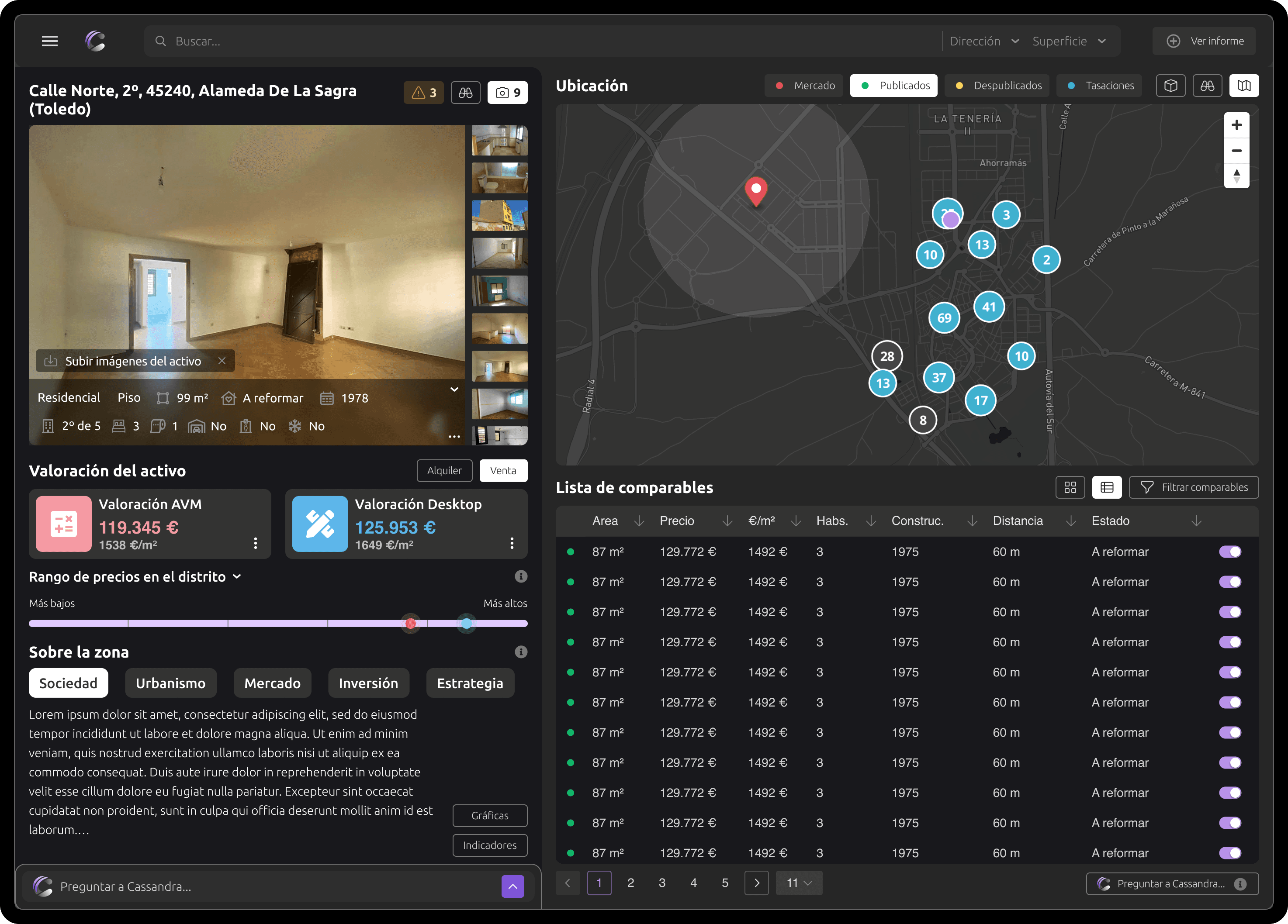 Después
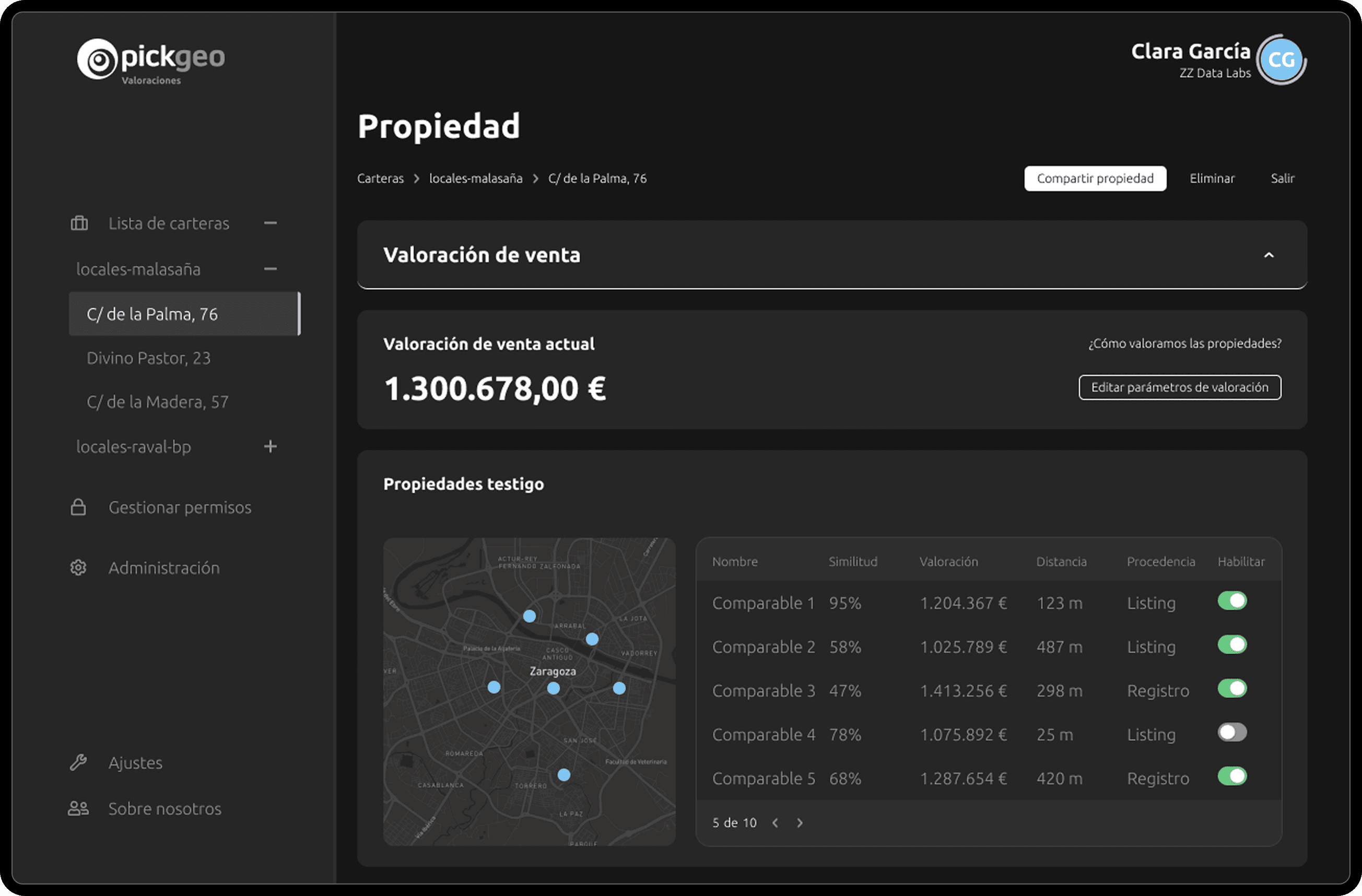 Antes
AntesWith an MVP version of a SaaS for valuing real-estate portfolios, the first challenge I took on was redesigning the interface so the product could actually start to be commercialisable.
To understand the tool's potential usability, I ran interviews with senior real-estate analysts, who told me what existing market solutions they used for these analyses and how. Those workflows were mapped as jobs-to-be-done.
The next step was to coordinate with the Dev and Data team to figure out what to prioritise and what to leave out in the short term. That kept the redesign anchored to reality instead of turning into a wishlist.
The result was a redesign of the interface that leveraged the branding and elements the previous design already had, but adapted to the user's needs. With it, the company managed to consolidate its market position as a relevant player.
Second lever: B2C vertical in a 3-week sprint
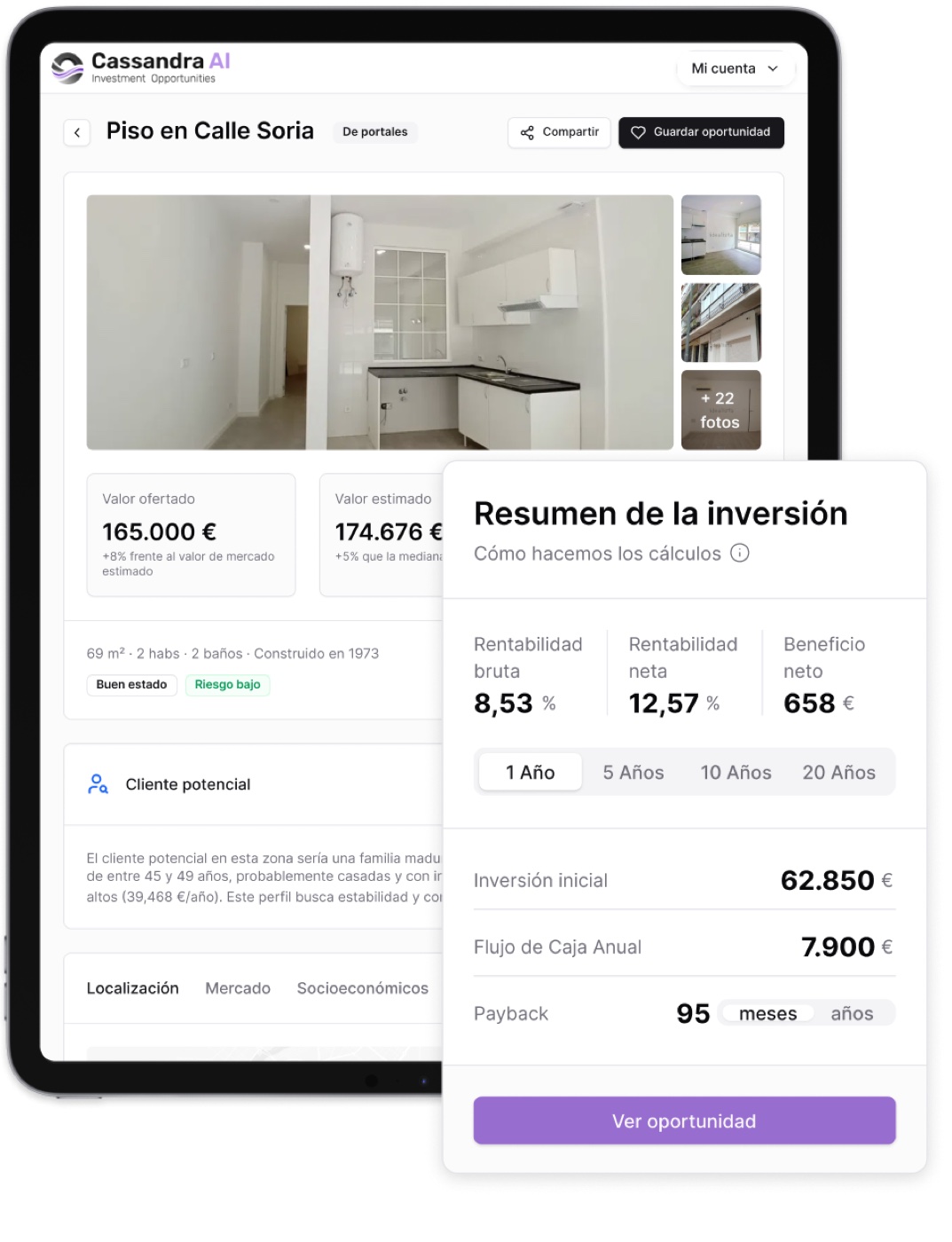

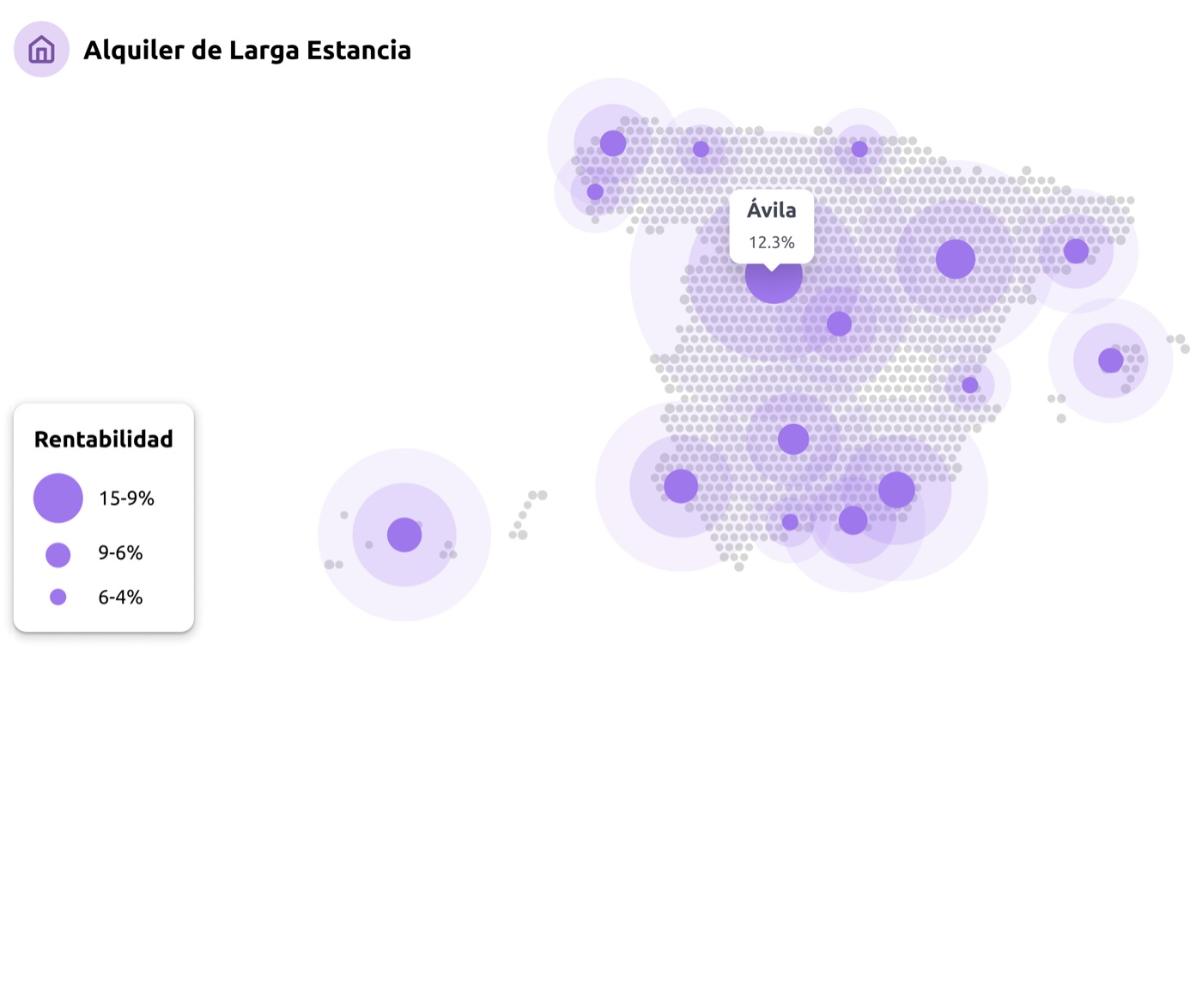

The startup's next expansion phase meant carving out a spot among private investors, positioning itself as a B2C portal able to attract and capture both demand and supply.
The business hypothesis was to build a marketplace in record time and without room for UX Research, betting more on future iteration on the tool once in production.
The UI Kit designed for the B2B vertical wasn't enough, for several reasons:
- A B2B interface calls for more effort in visual design, since it's a key element for generating and earning the user's trust.
- The existing components weren't enough to cover all the needs of the new platform.
- Time was working against me, and designing from scratch wasn't the best solution.
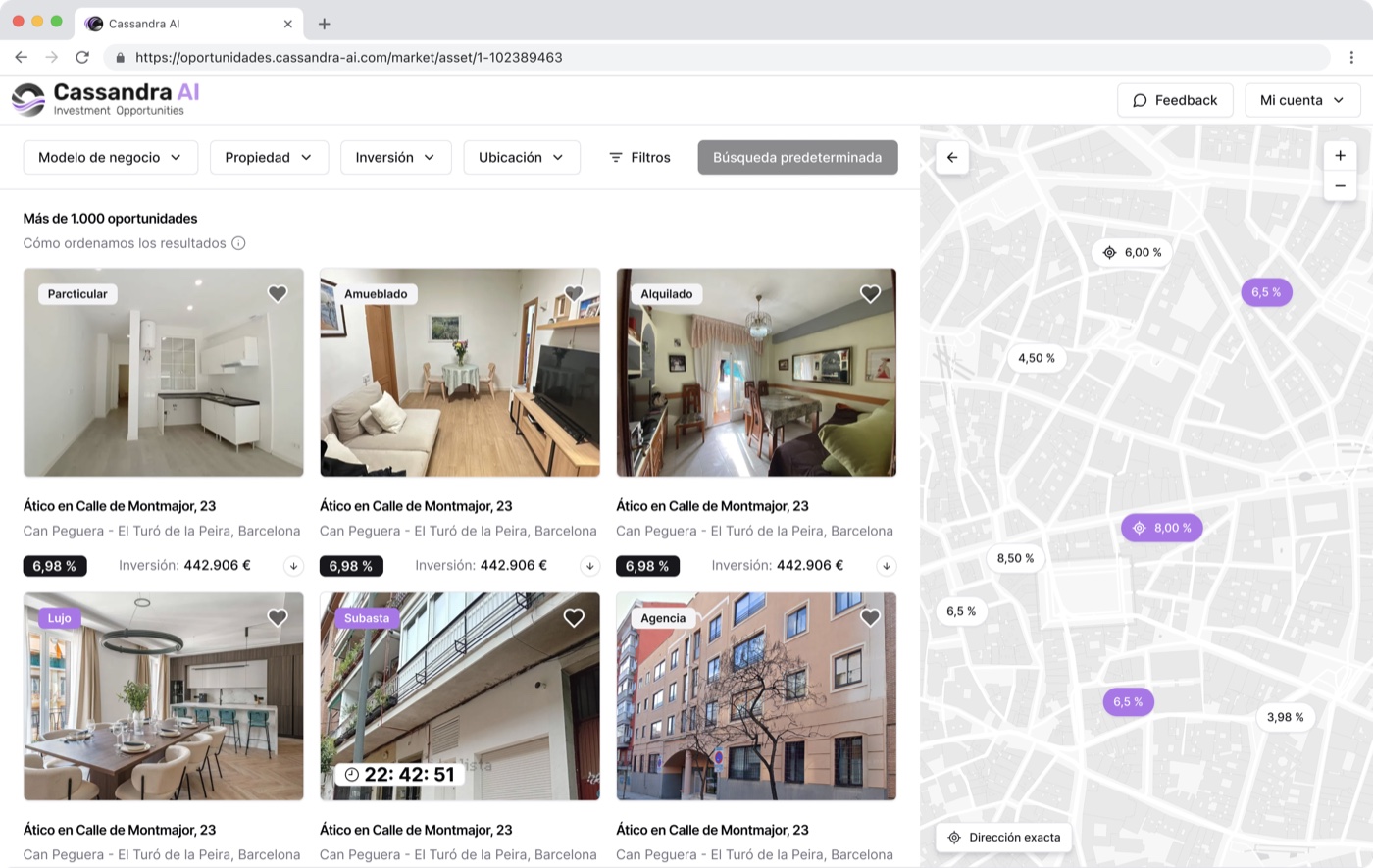
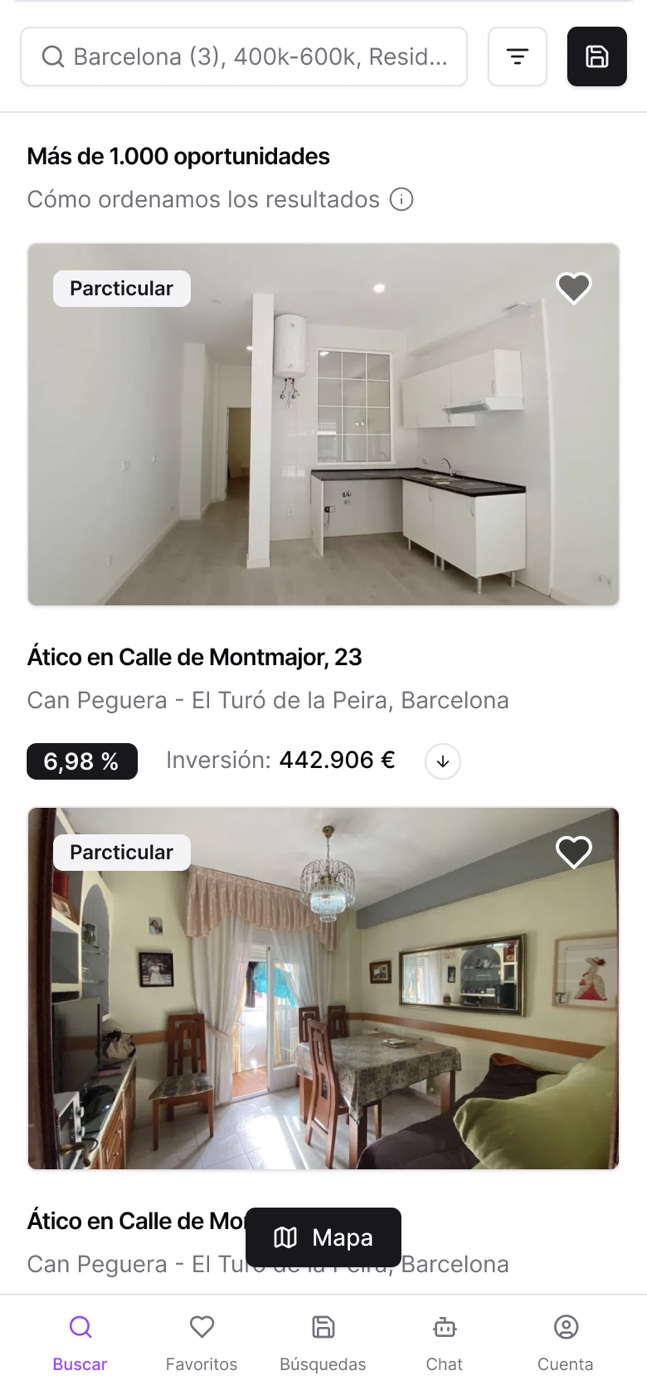
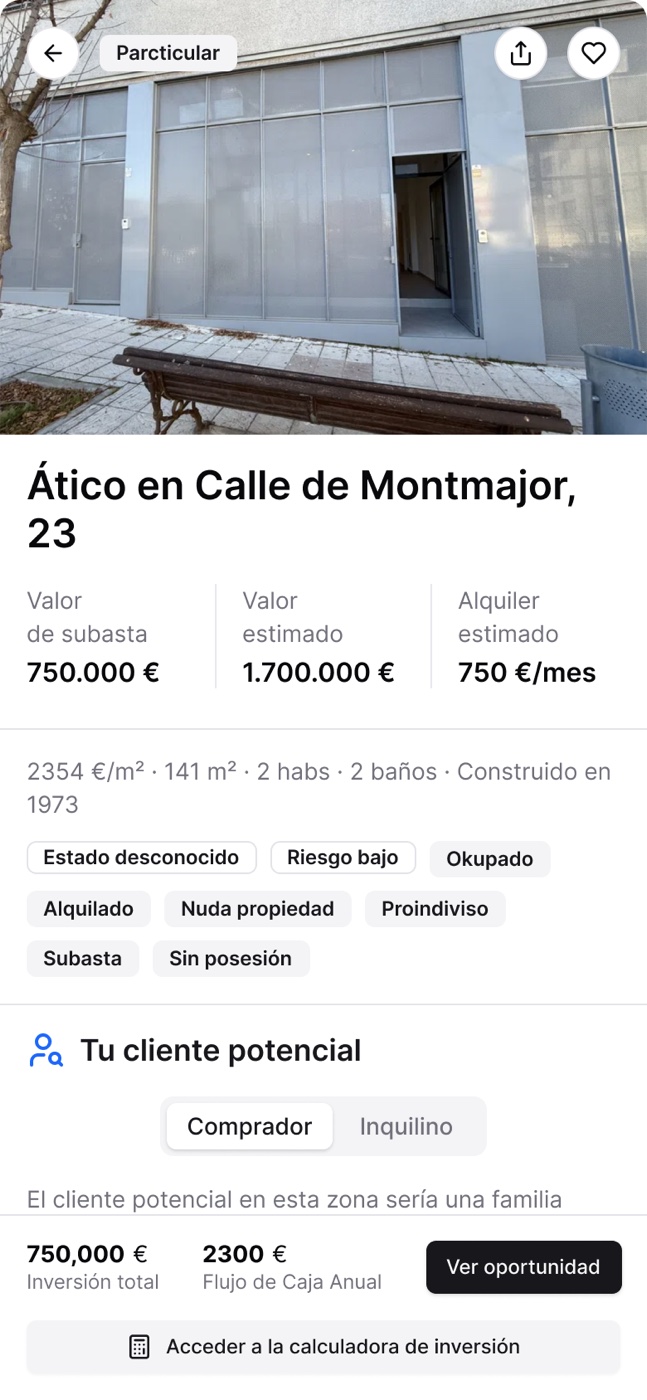
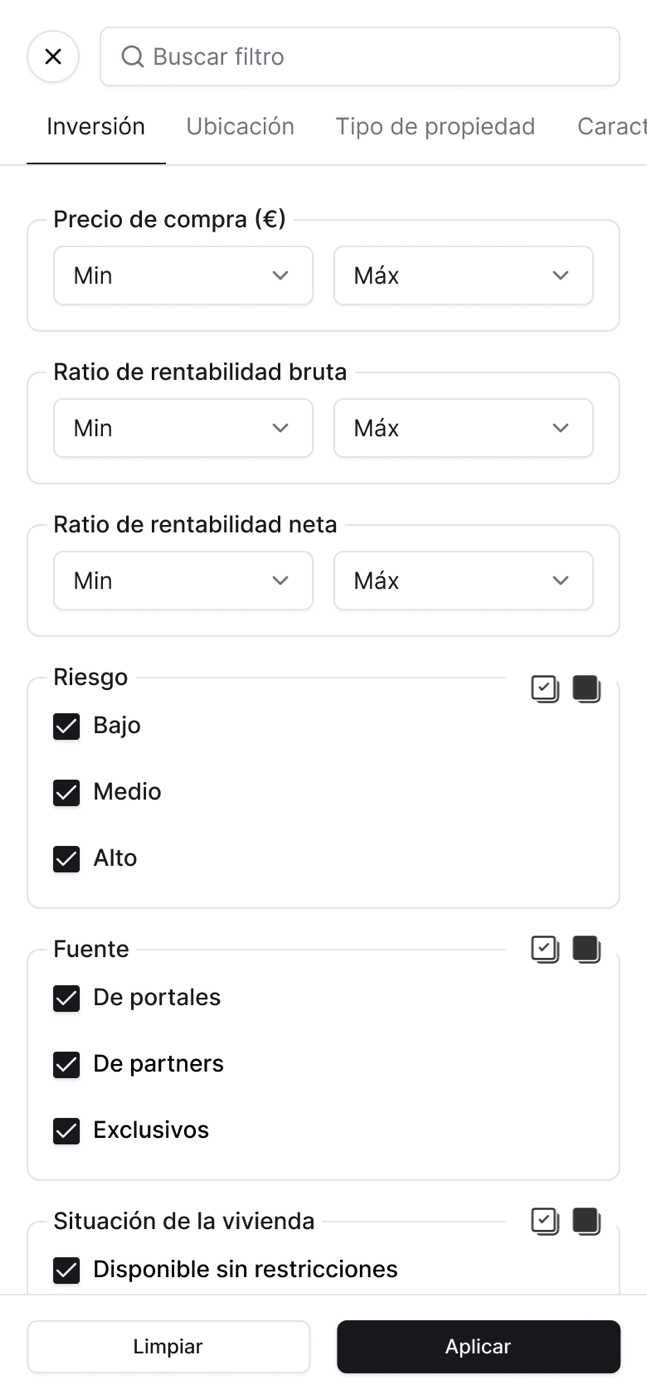
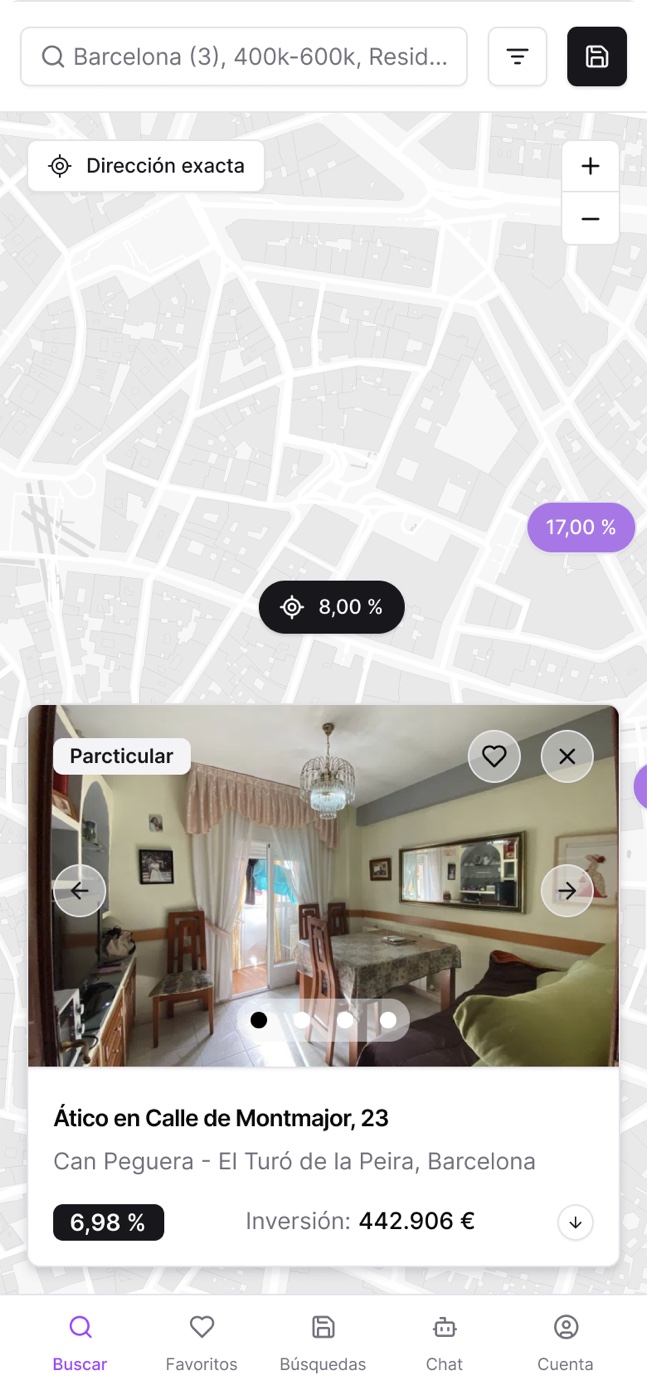
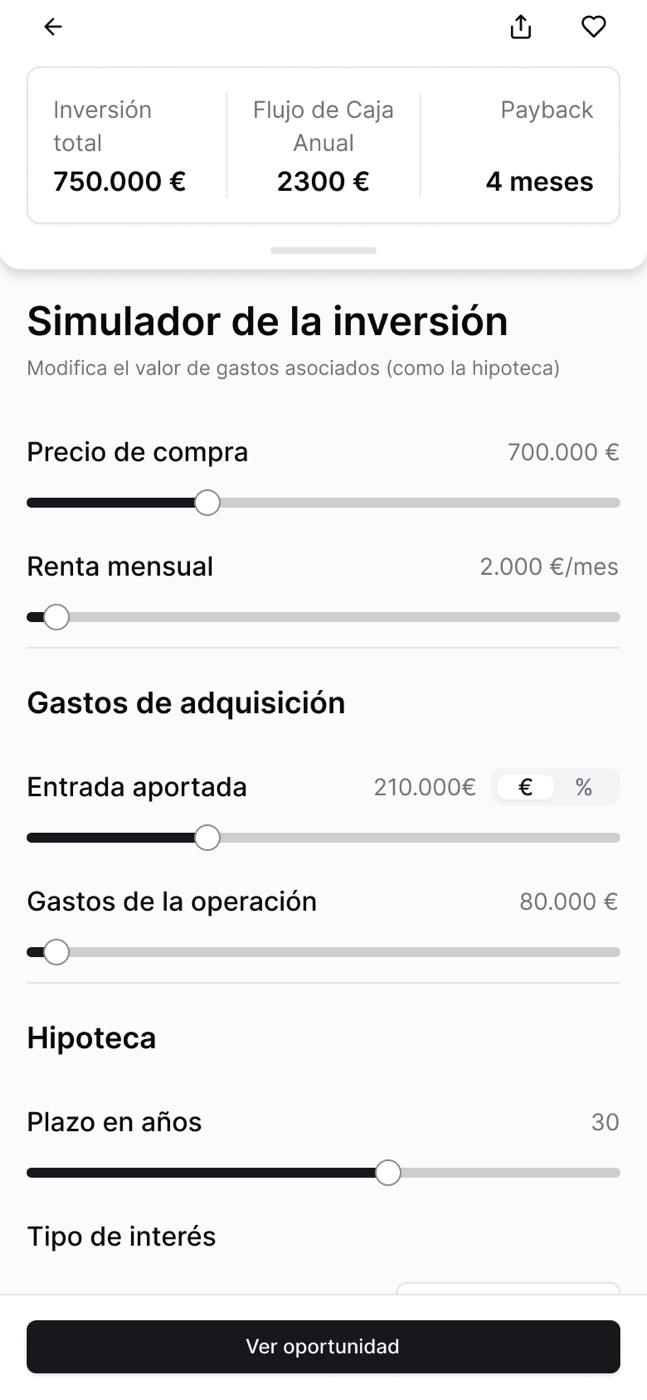
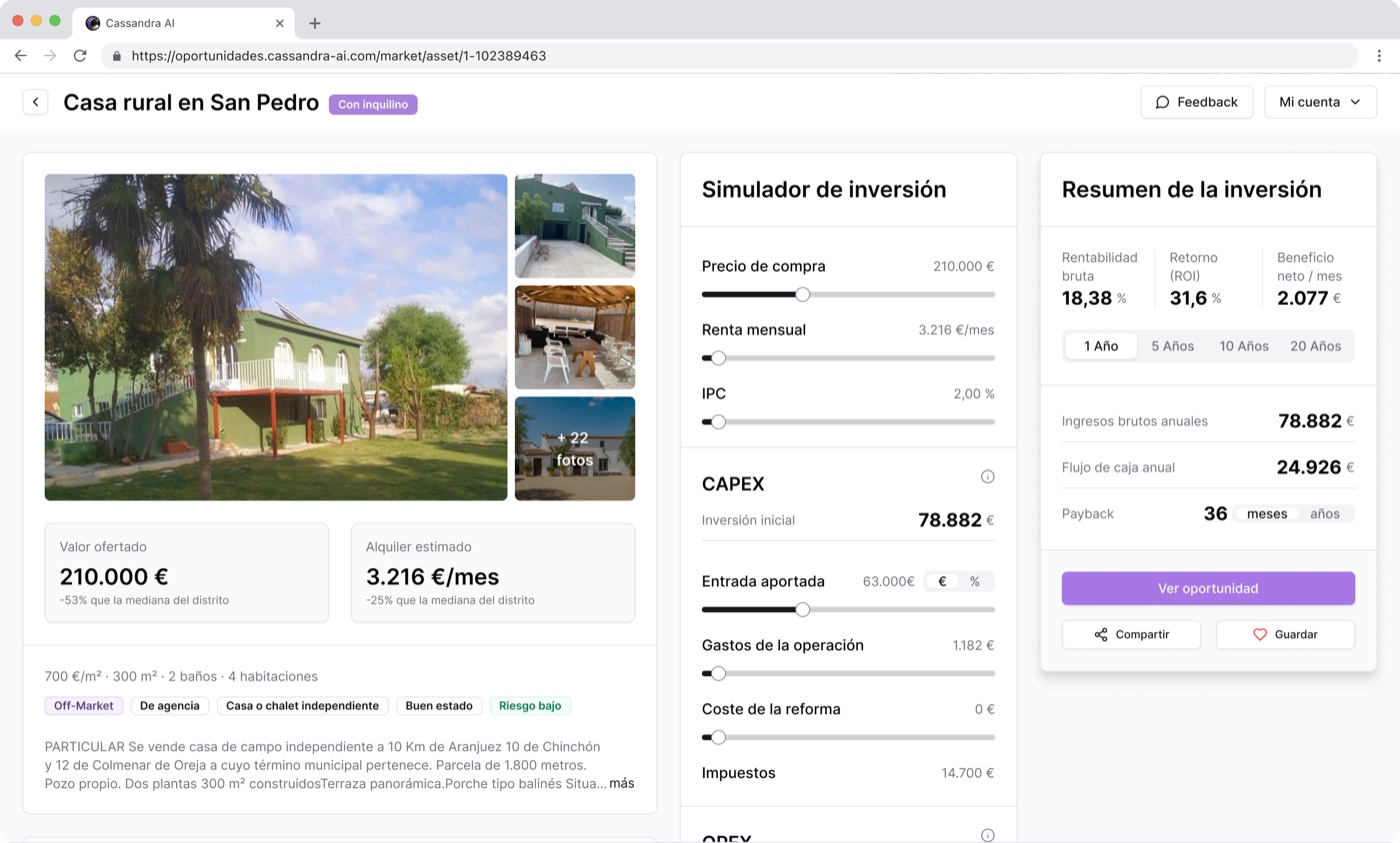
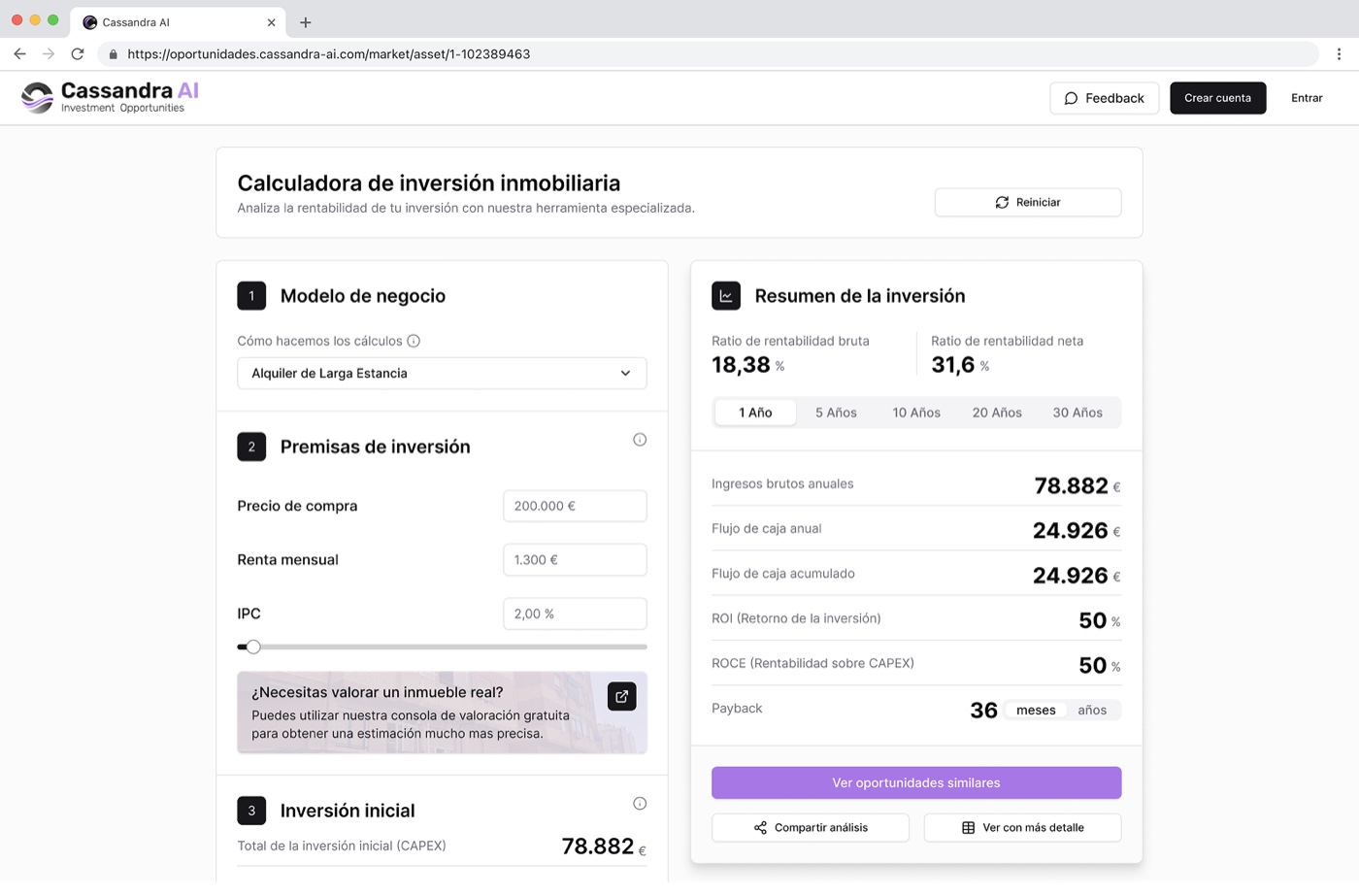
By then, I already knew Shadcn/UI and its advantages for both developers and designers. Without getting into the former, suffice it to say that the Figma libraries made a solid enough base to propose interface prototypes with a style and an aesthetic that was, even back then, fully hegemonic.
The key decision was to go with this stack, though the integration with the development team wasn't as good as I'd hoped. Faced with the need to build a new front end, I saw the chance to migrate the stack to Shadcn/UI, but the team wasn't willing to take on the time needed to get familiar with this framework before getting to work. We decided to keep the old framework —which had no parallel in Figma— and adapt it as far as possible to the Shadcn/UI styles.
Along the way we lost not just aesthetics, but also tokens, agility and governance. And what was, from my point of view, the first chance to truly start aligning the work of Design and Development turned into a technical debt that was ever harder to pay down.
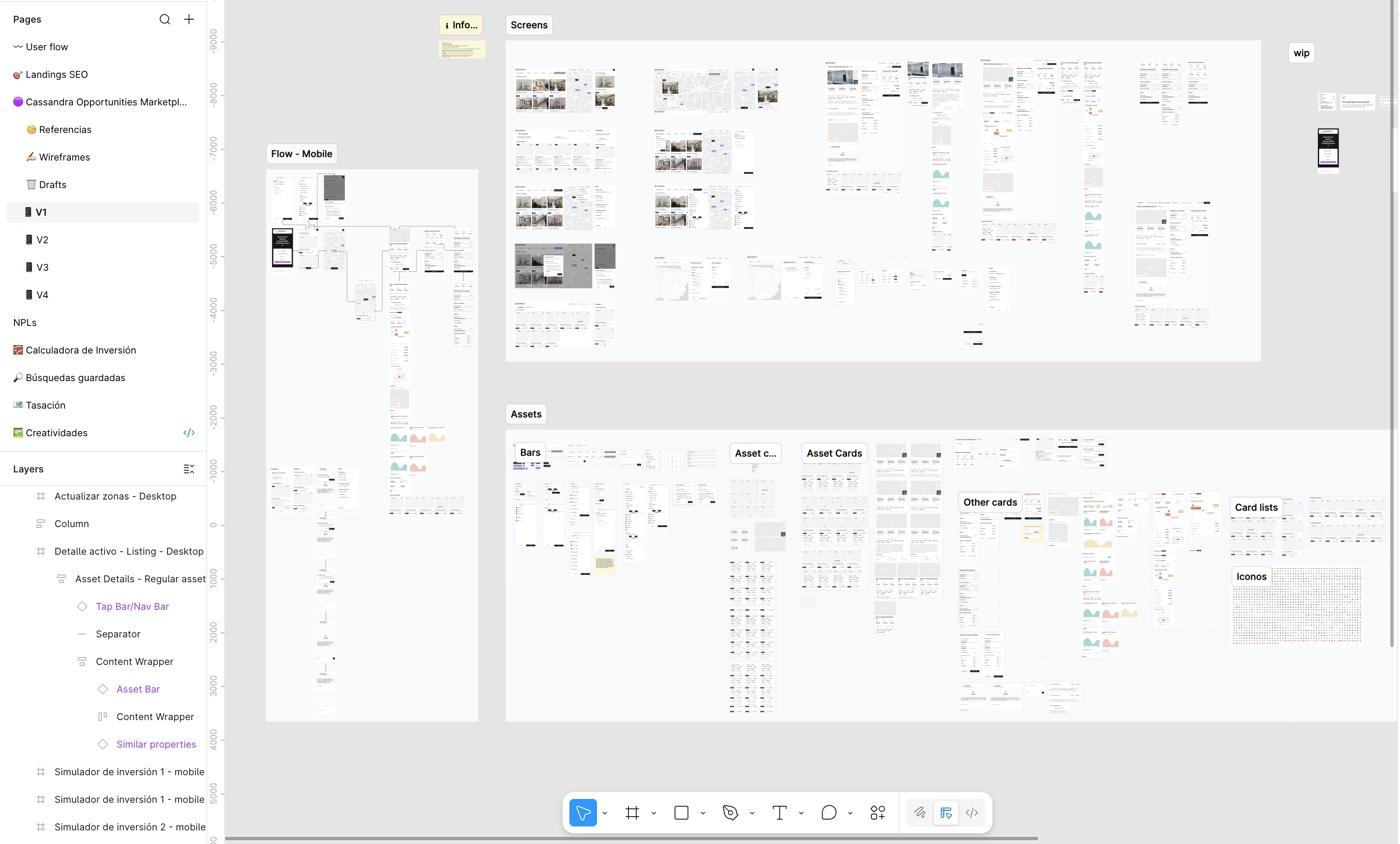
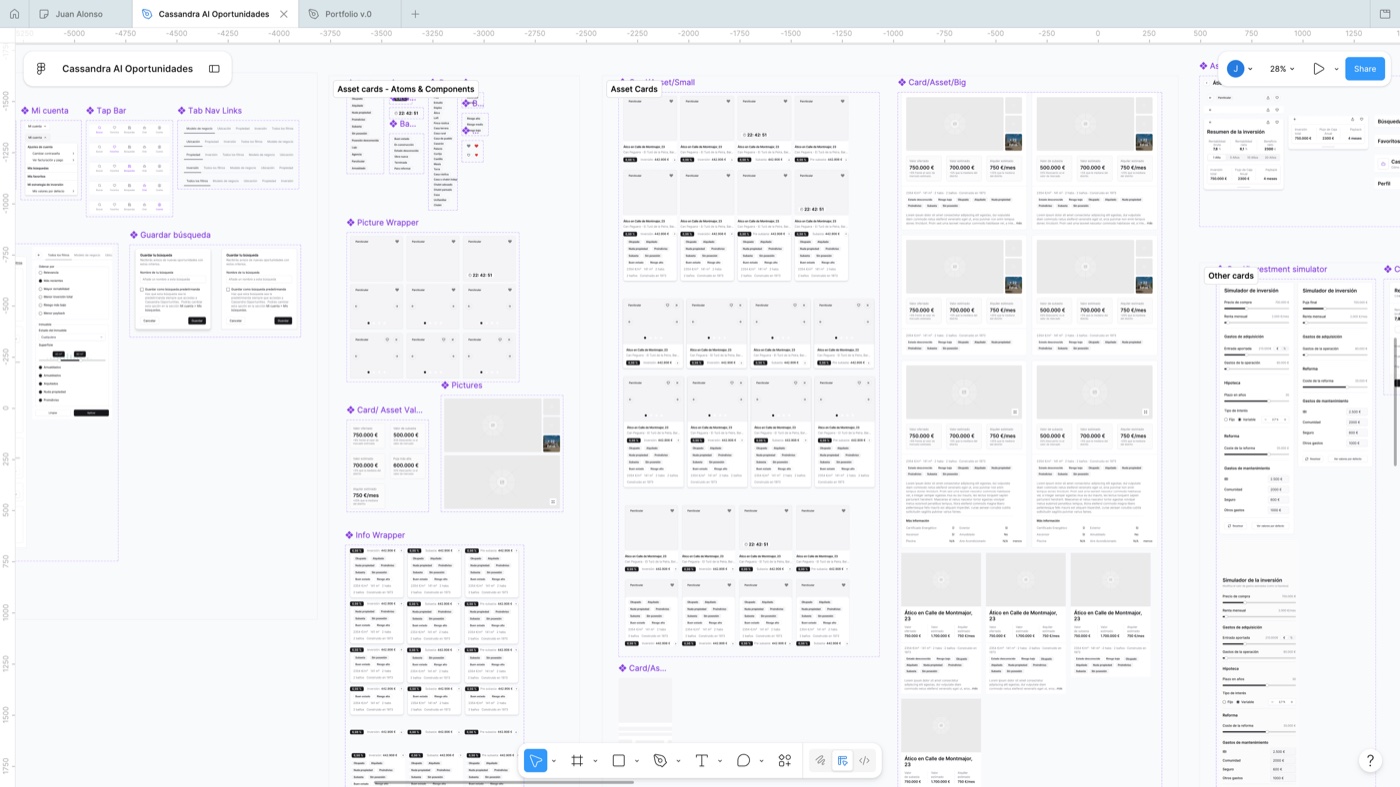
Visual design, support for marketing and business
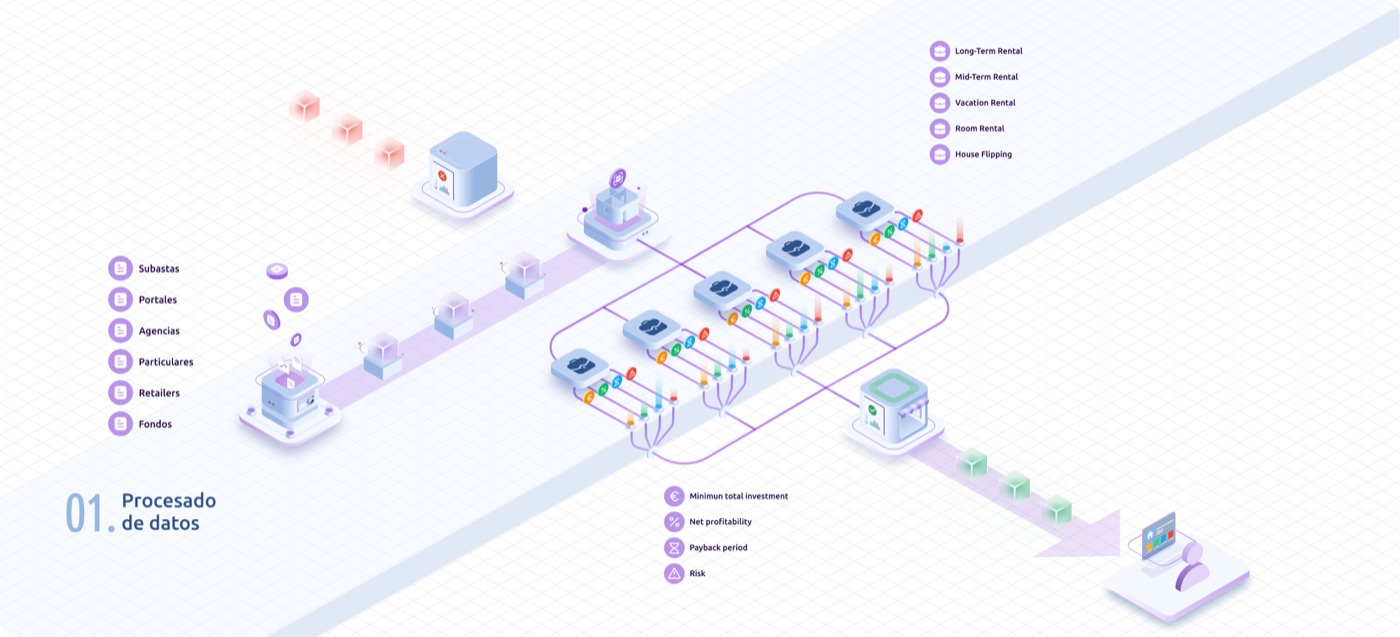
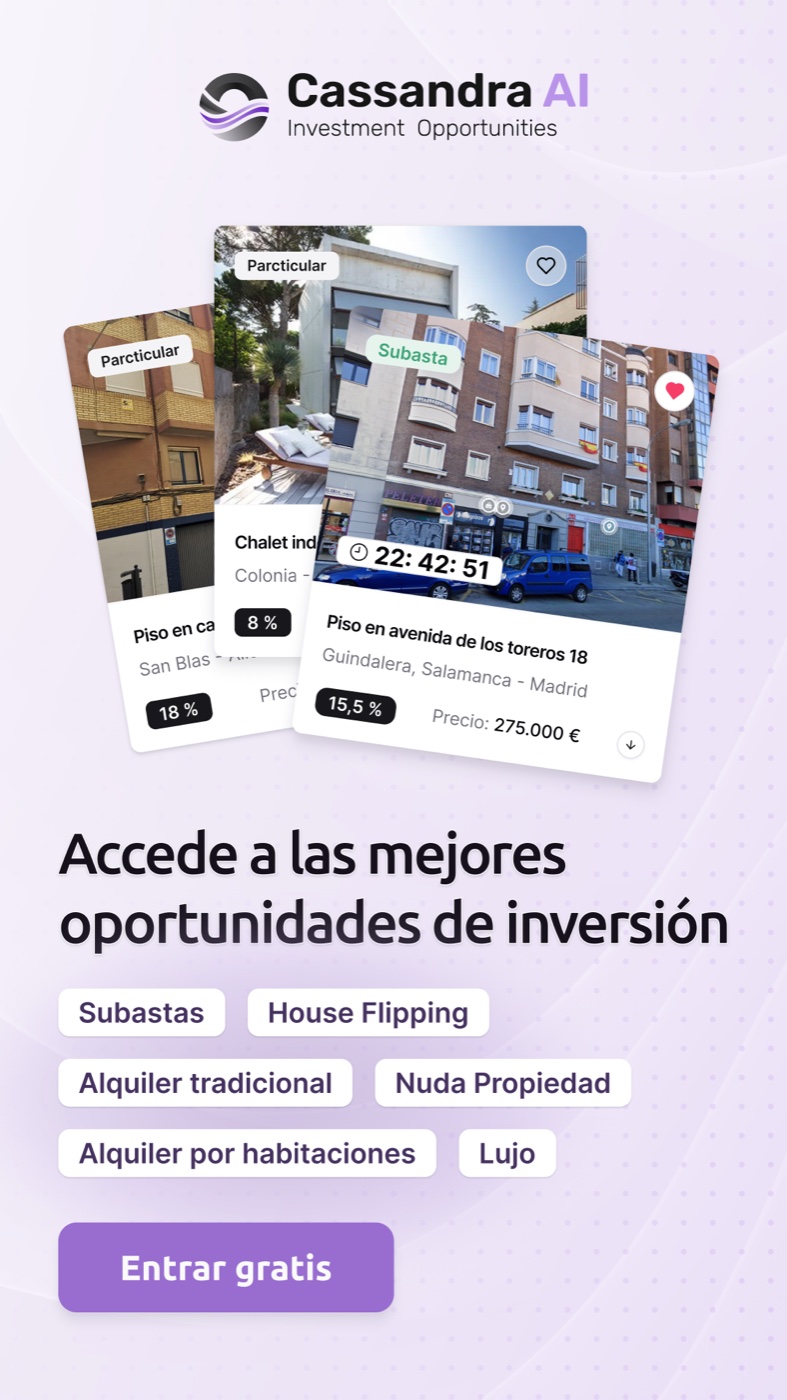
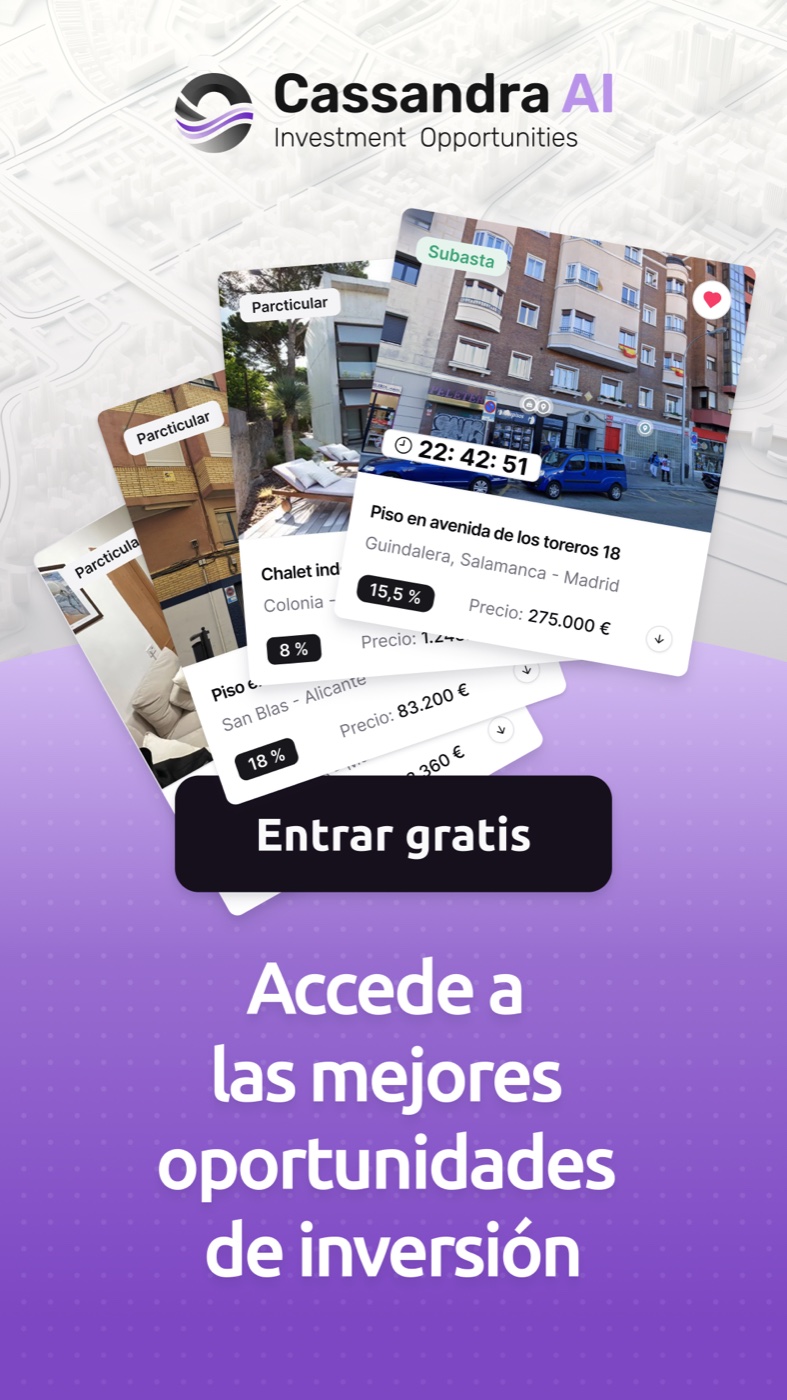
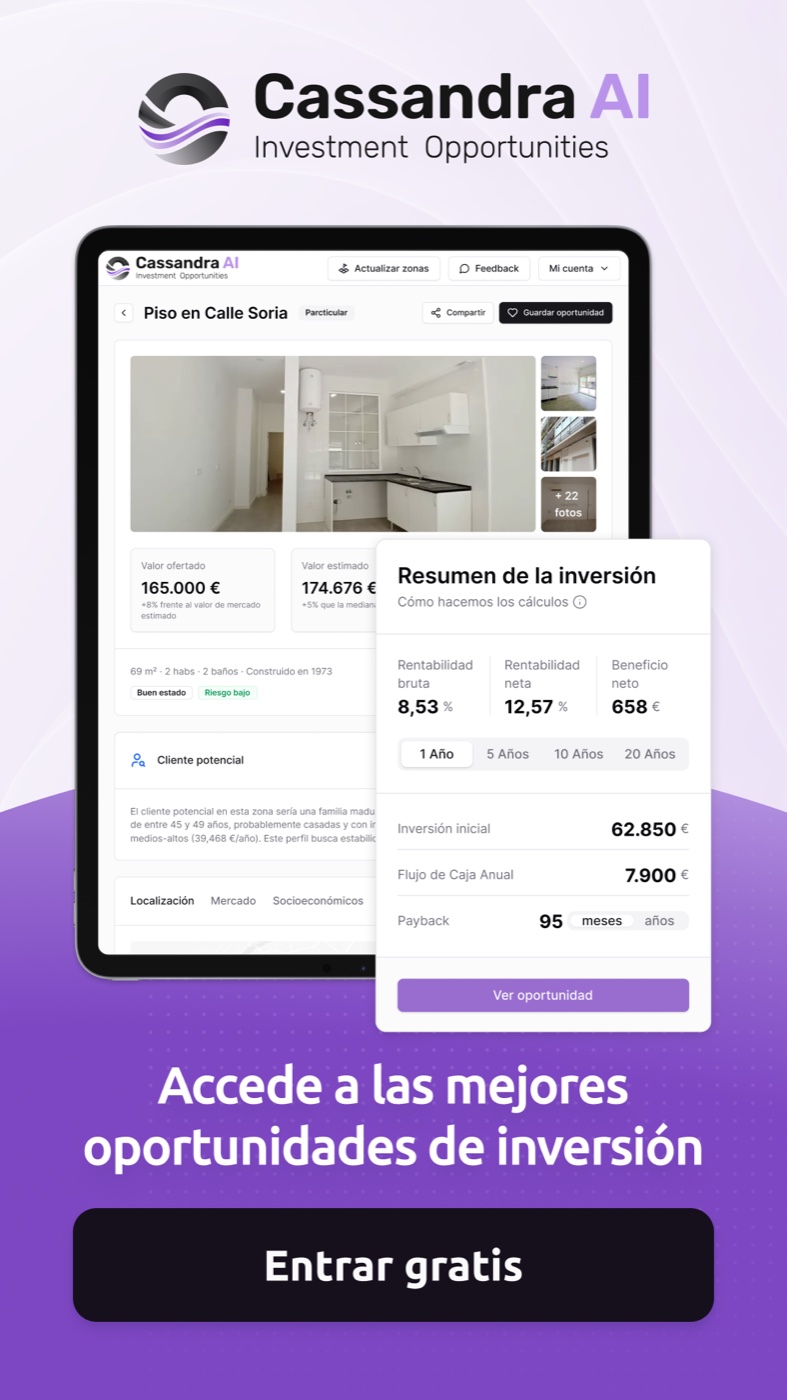
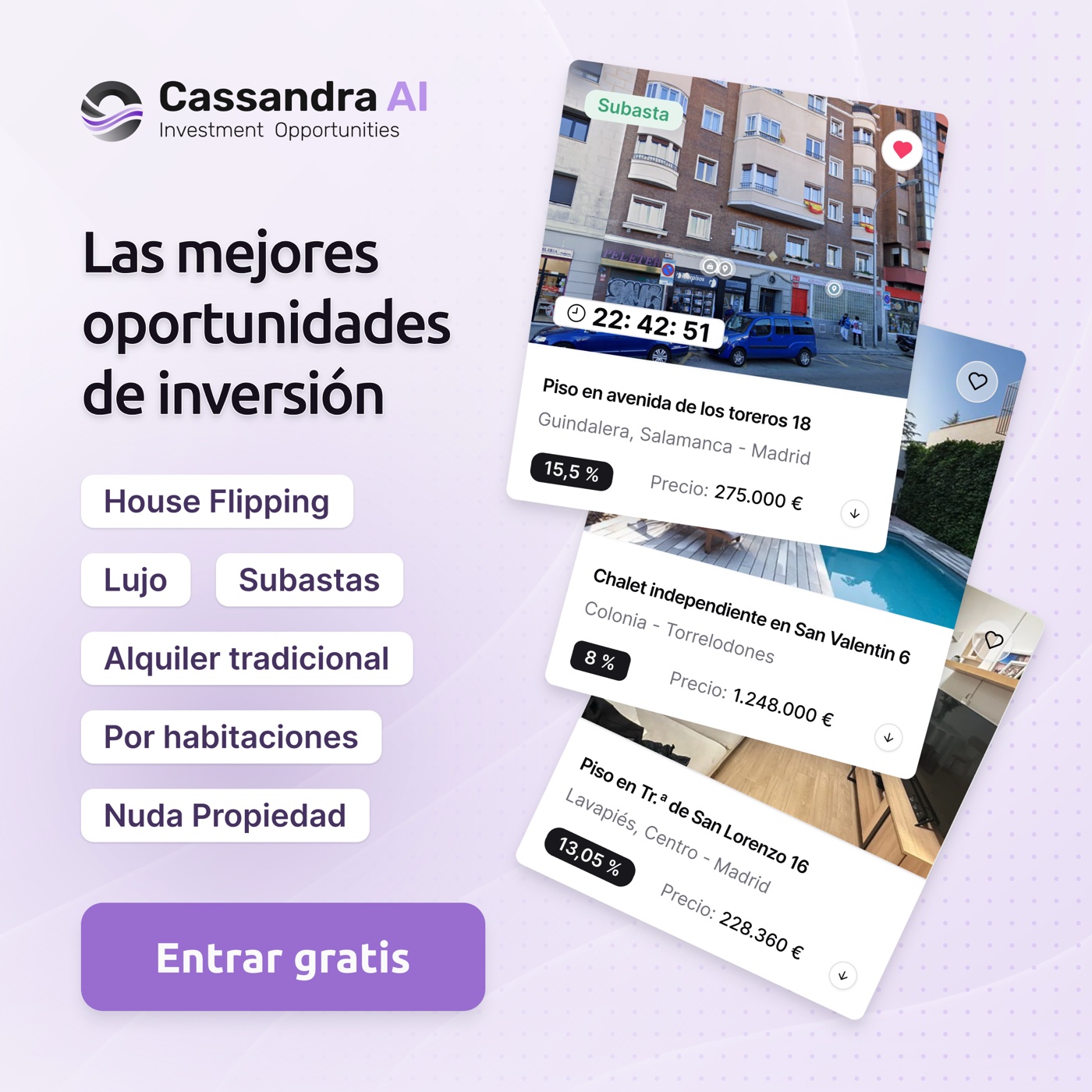
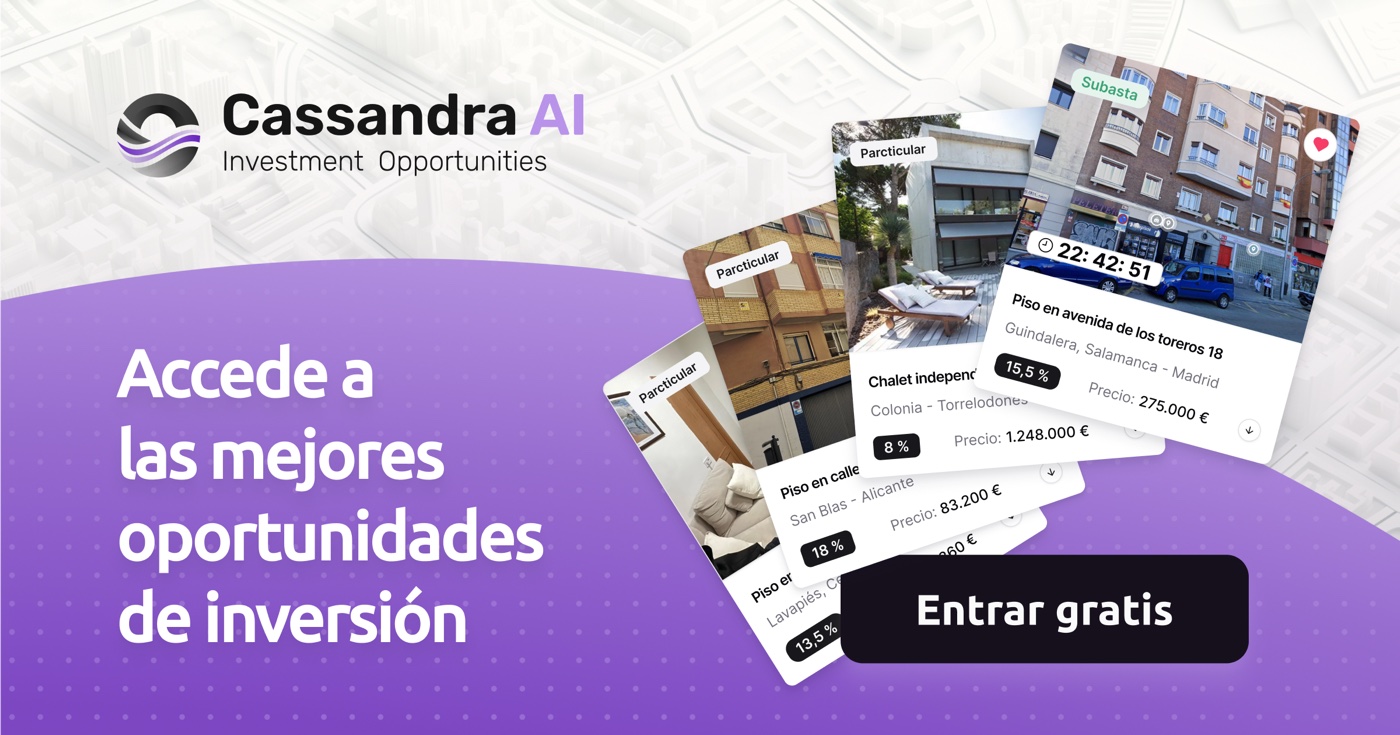
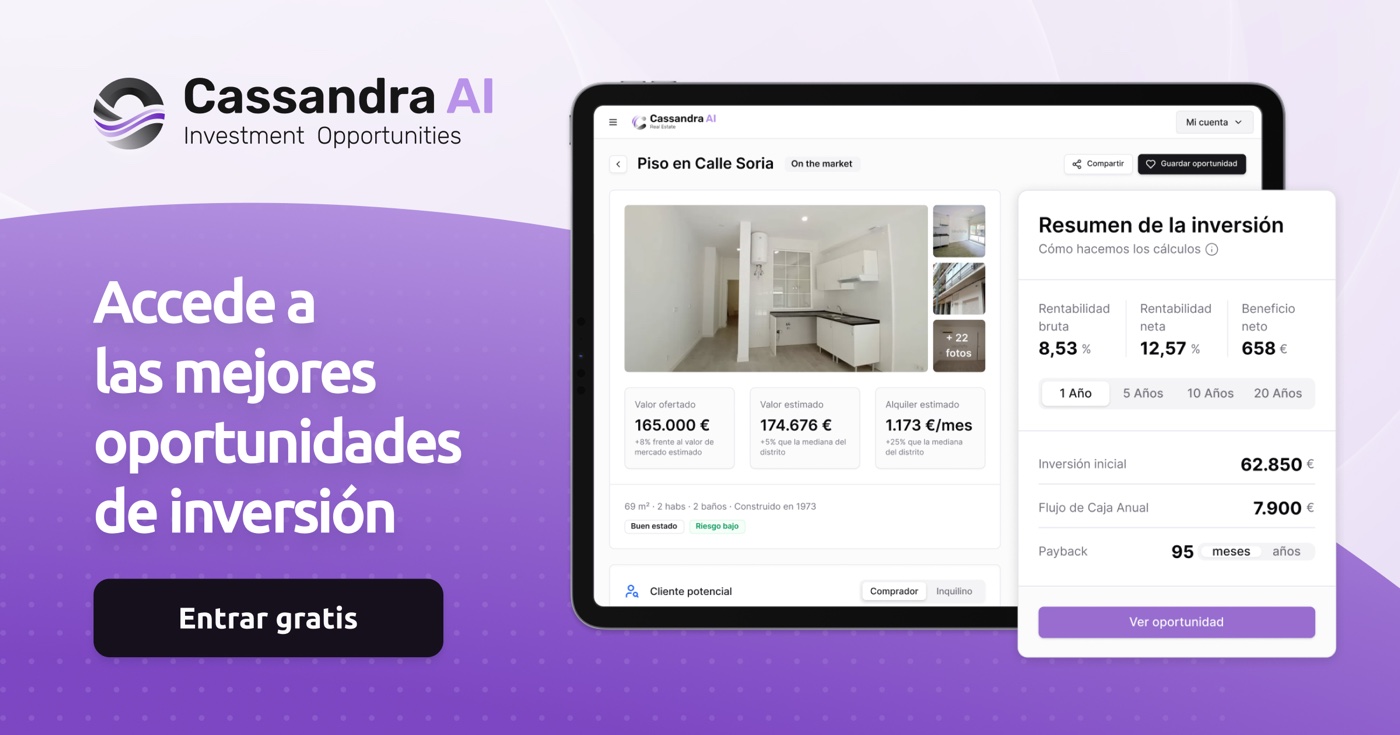
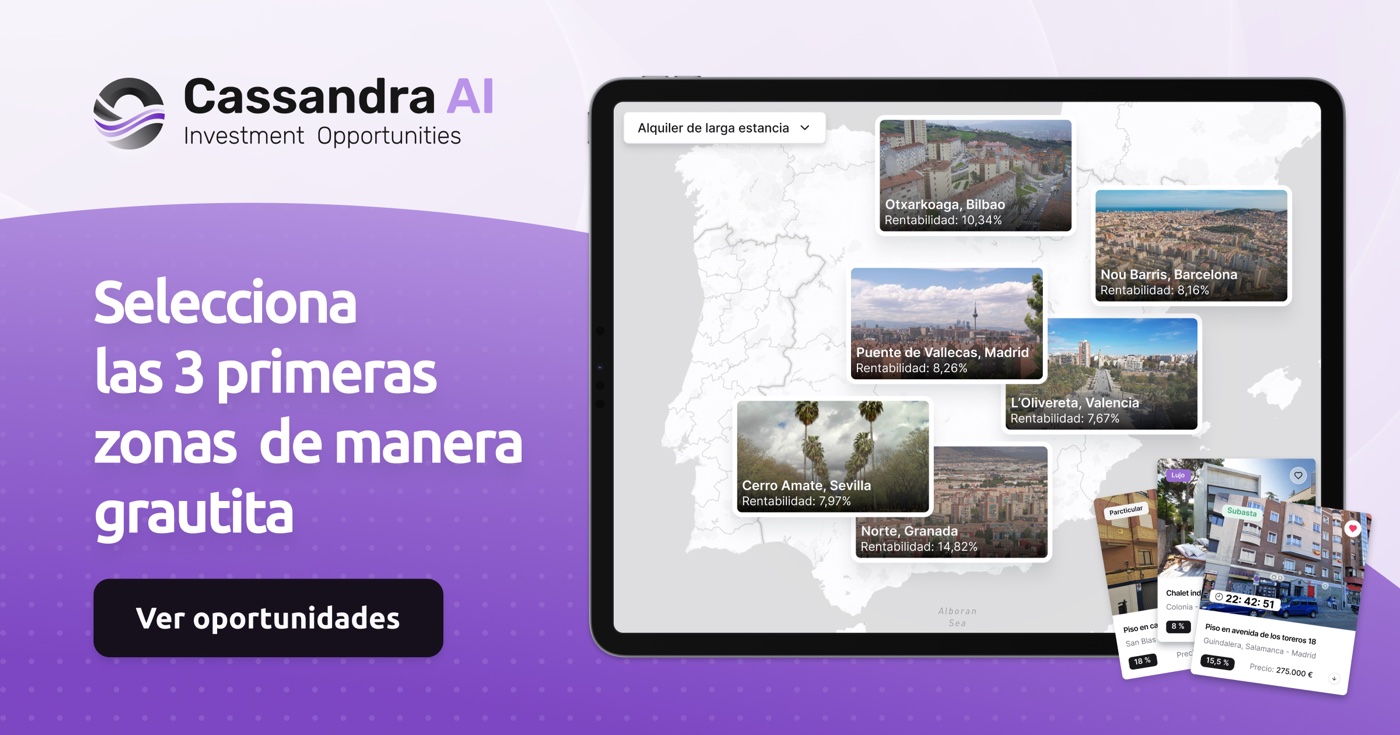
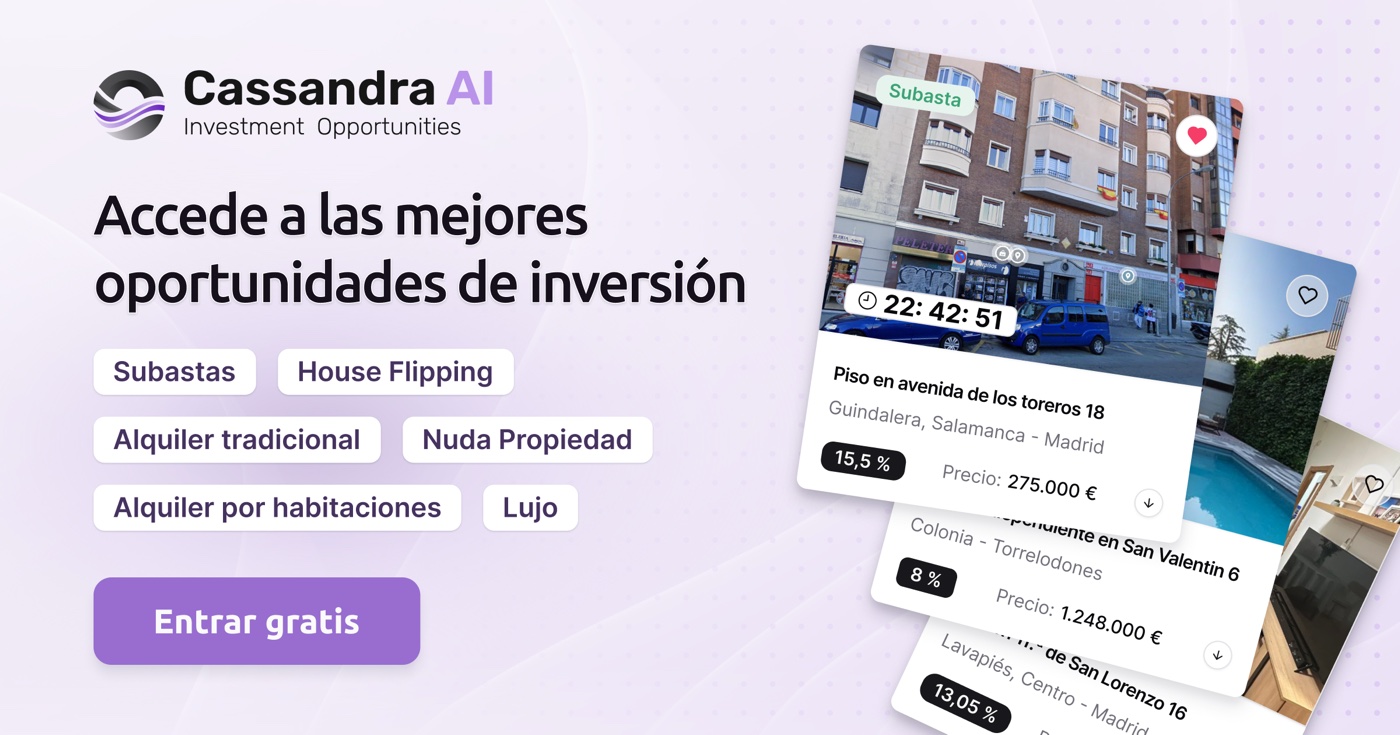
With both verticals launched, the next challenge was iterating the marketplace design and designing, together with the in-house UX/UI Designer, the websites and landing pages and the commercial decks for clients and investors.
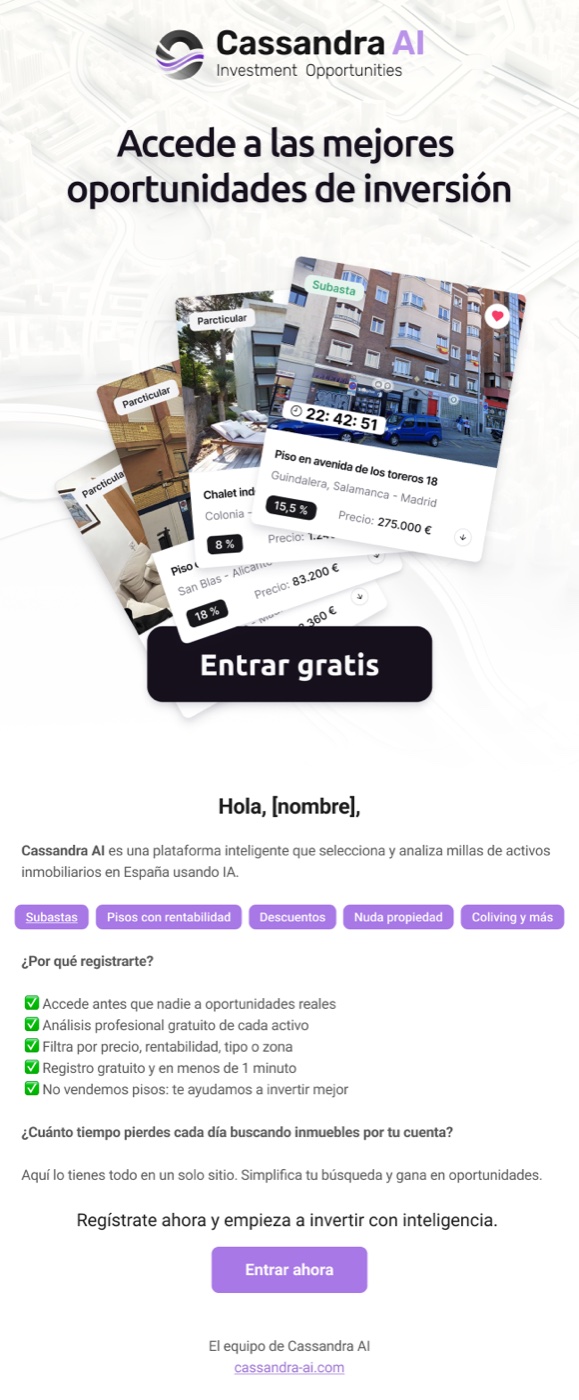
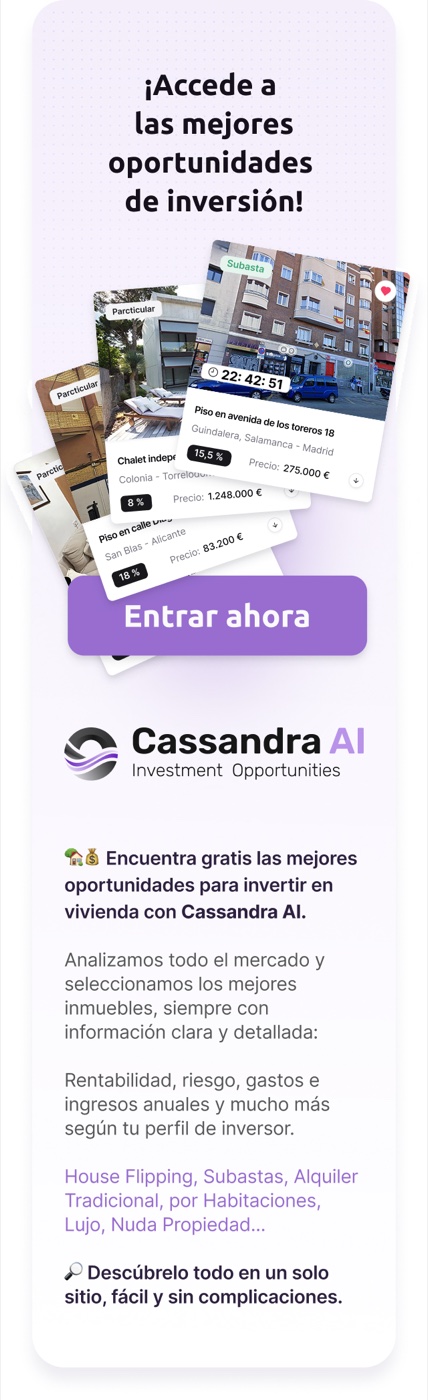
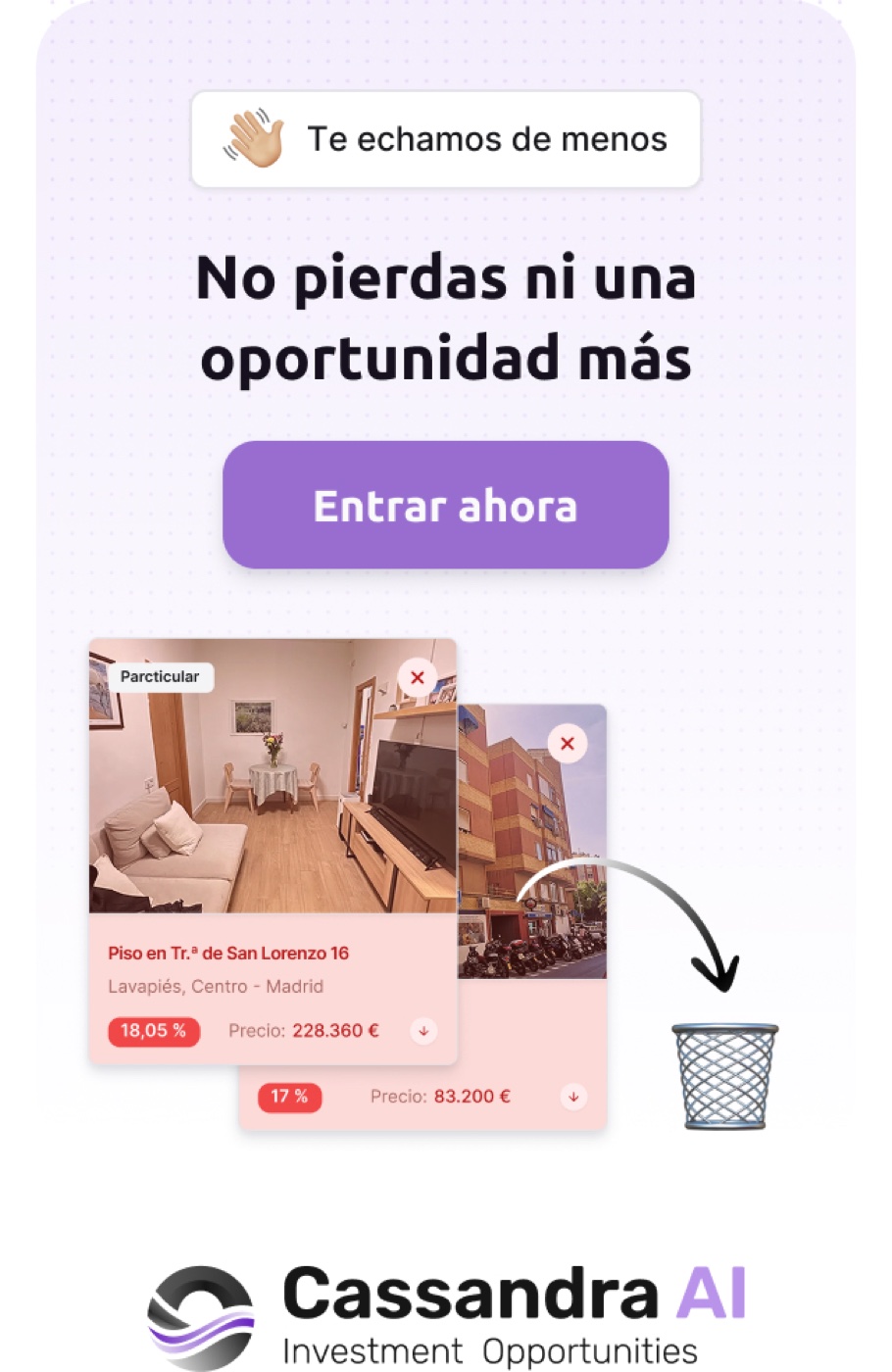
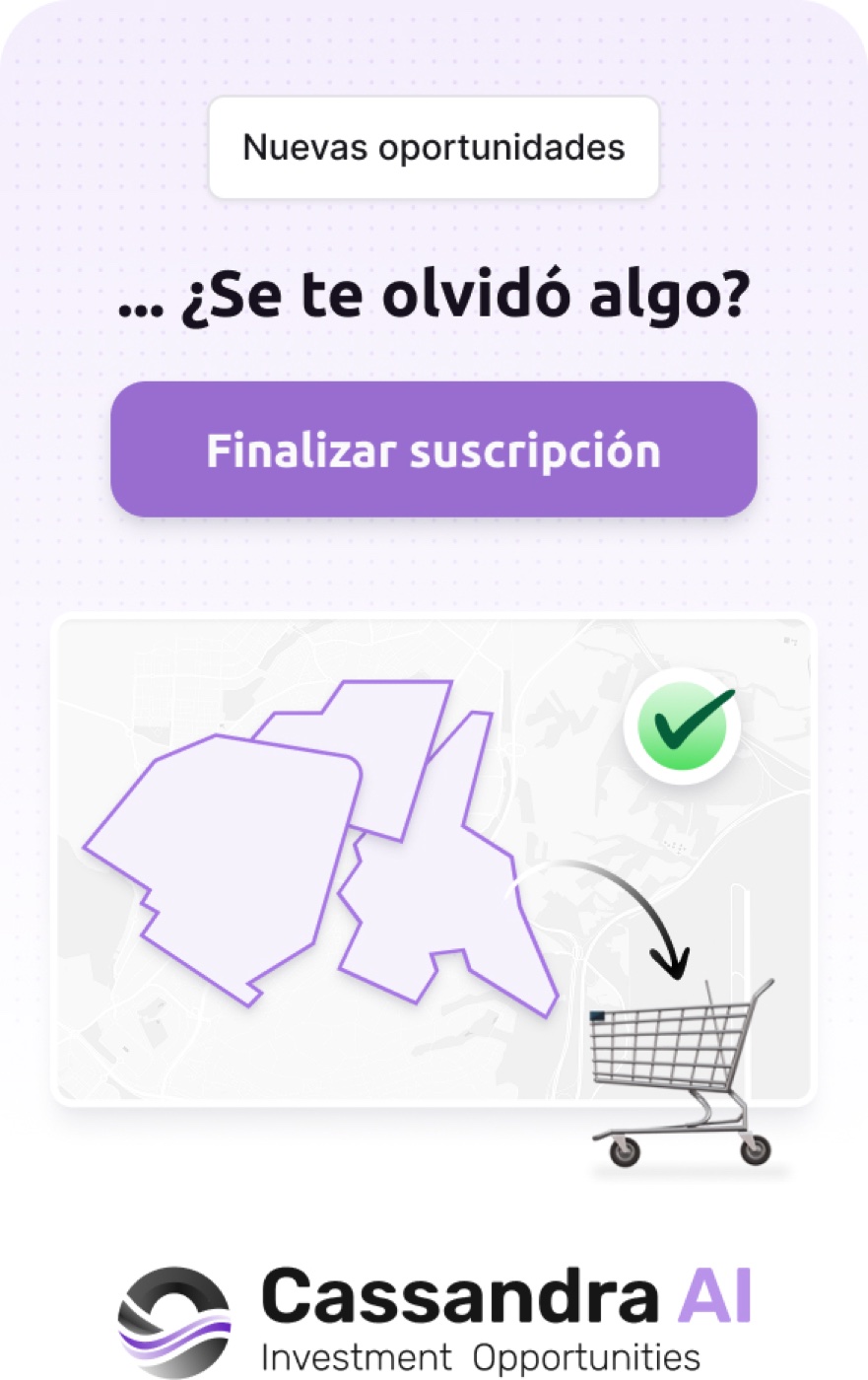
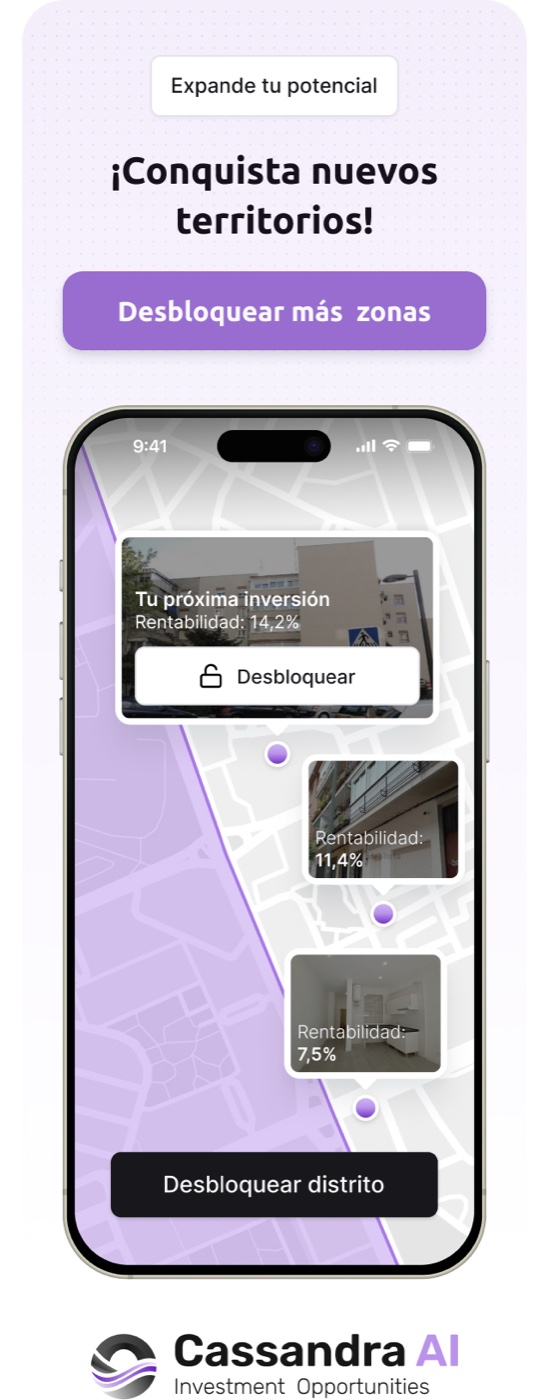
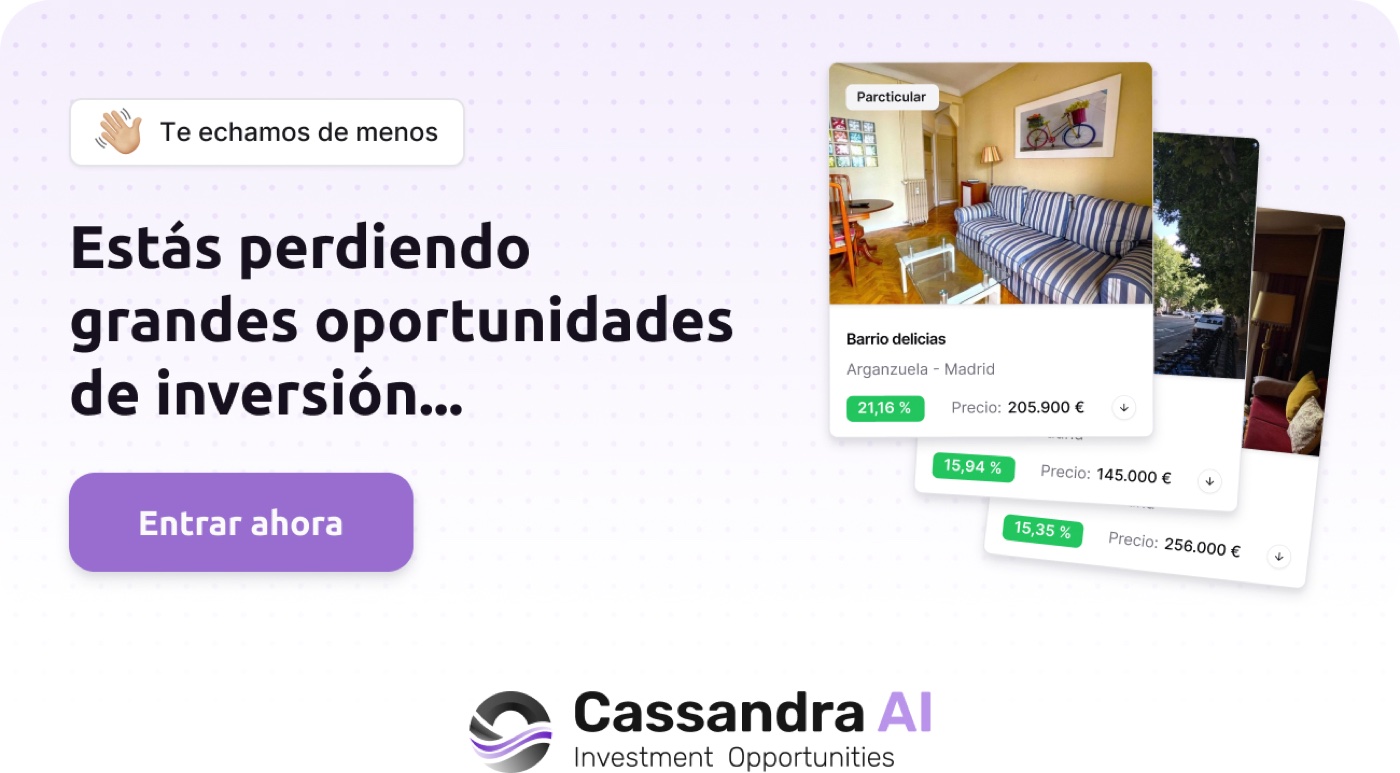
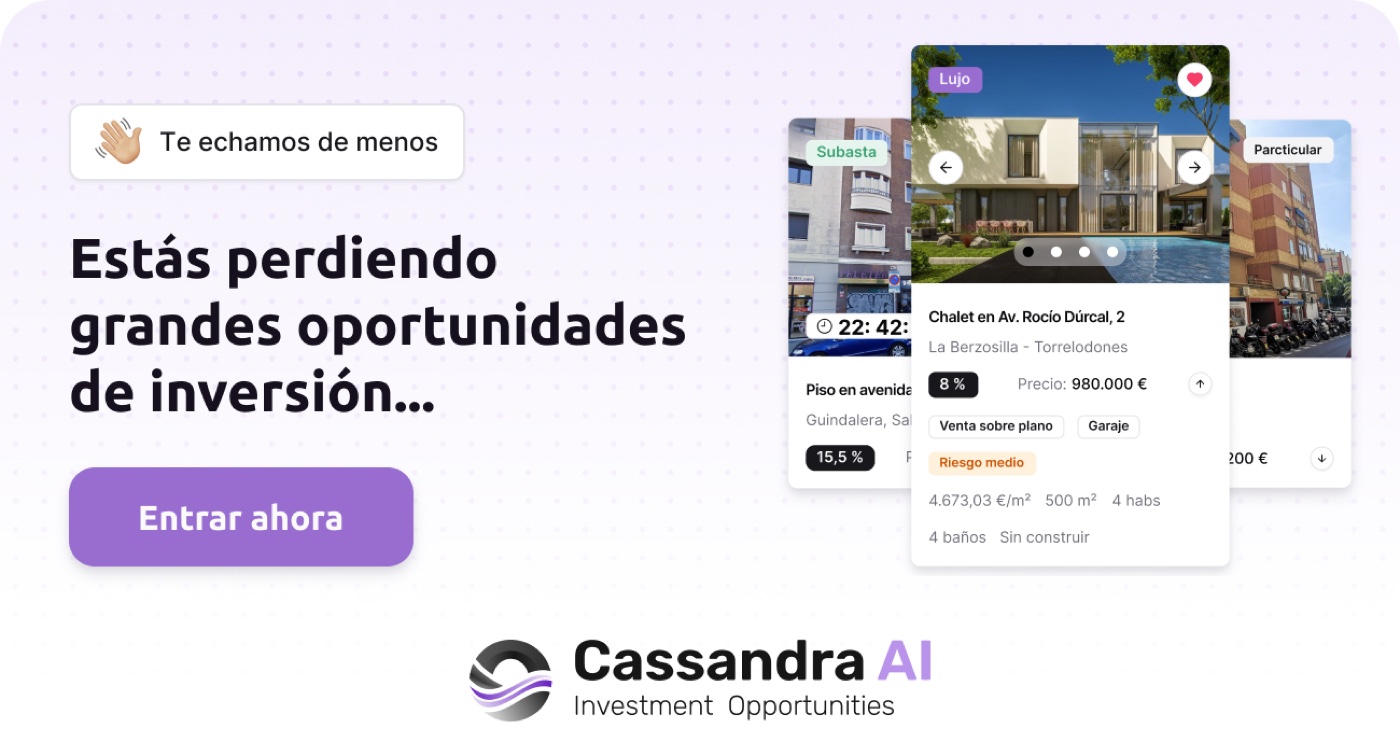
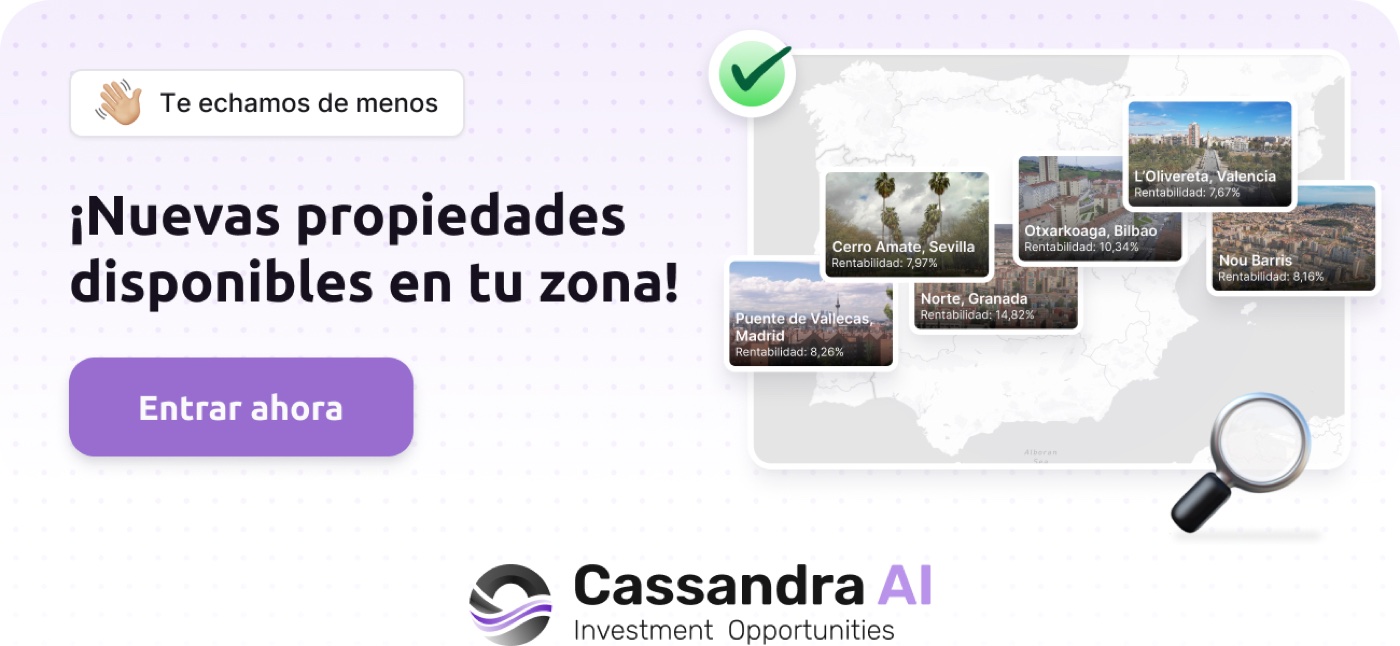
On top of that, I designed the creative assets and the copy for the marketing team, both for email marketing and for SEM.

Strategic challenge: qualifying the leads
The marketplace wasn't meeting its goal and the business wasn't getting results. Leads were coming in, but it was useless data and there was no ROI. The hypothesis it was built on hadn't been validated by a discovery phase.
Nobody knew how to solve this problem, so I decided to research how similar business models tackled it, studying the qualification funnels of the leading references in the US and Spain.
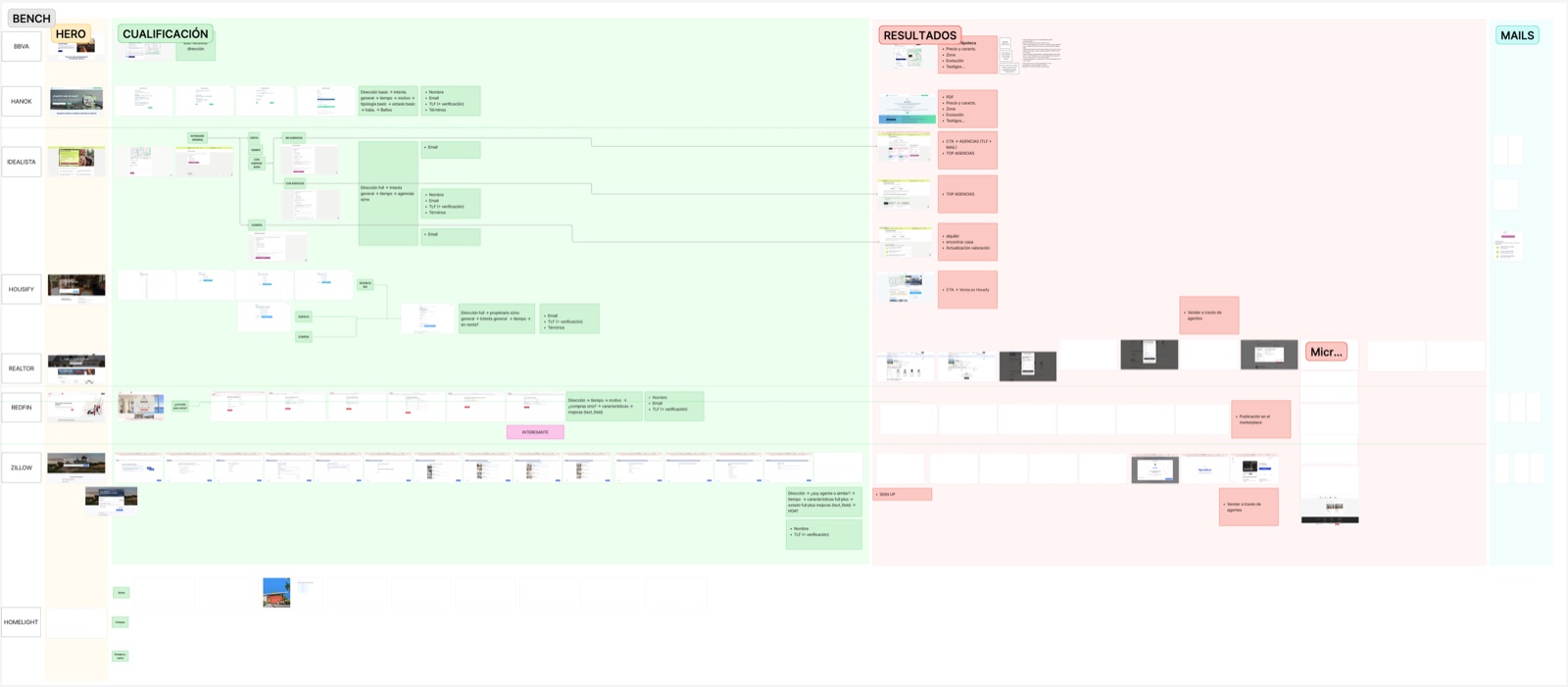
After the research, I showed prototypes to the product and business team, and we got moving.
We designed qualification funnels for both sellers and investors, and at last the sales team had a real base to work from.
Learnings
As a company accelerated by TheFringe/Labs, I joined Cassandra as a Design Partner, to lead the product design area. Being an outside agent to the Product team meant we weren't always aligned, or that I wasn't seen as a member of the team. From that I learned that without full alignment and trust, the work doesn't come out as it should.
Much of the proptech ecosystem sees product design as UI Design. No UX research, no strategy. I learned the result first-hand supporting Cassandra — greater delay in reaching successes and more money lost in the iterative process.
UI design has the chance to coordinate the development team so that implementation, iteration and scaling become an agile and resilient process. When the handoff doesn't work or communication isn't direct, technical debt grows irremediably until it becomes one of a SaaS's main operational problems.